Creality K3 Product Page Goes Live: First Printer With KliTek 5-Second Nozzle Swap and Quad-Nozzle Setup
Creality has published a product page for the K3, its upcoming desktop 3D printer, according to a September 7 report from German publication 3Druck. The K3 is the first machine to ship with Creality's KliTek nozzle system, which enables a roughly five-second nozzle swap without tools. It also features a four-nozzle configuration. Creality lists a Q3 release window, while pricing and regional availability remain unconfirmed.
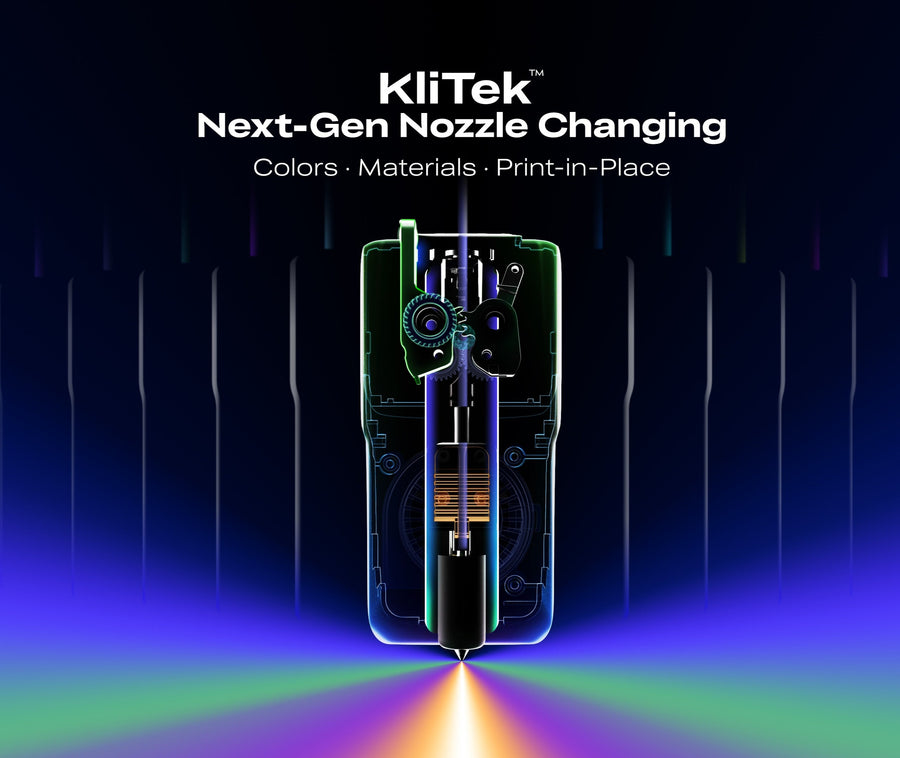
The Creality K3 on its official product page. The machine is the first to ship with Creality's KliTek quick-swap nozzle system.
KliTek Nozzle System: A Five-Second Swap
The KliTek system is the K3's defining feature. On most FDM printers, changing a nozzle is a small but persistent headache. You heat the hotend to printing temperature, grip the heat block with a wrench to keep it from twisting, then unscrew the old nozzle by hand. The whole routine takes several minutes, and it's easy to burn yourself or strip the threads if the nozzle is stuck.
Creality's KliTek design cuts that process down to about five seconds, per the product page. The company hasn't published a teardown or detailed mechanical explanation, so the exact mechanism — magnetic collar, quick-release latch, or some other approach — isn't publicly documented. What the page does make clear is that the swap is tool-free. A user moving between a 0.4 mm nozzle for fine detail and a 0.8 mm nozzle for fast, rough drafts can switch without cooling the machine down or opening a tool kit.
That matters because nozzle changes are one of the most frequent interruptions in a print shop. A designer prototyping in the morning and running production parts in the afternoon might swap nozzles three or four times a day. Five seconds versus five minutes adds up over a week, and it removes the temptation to leave the wrong nozzle on just to avoid the hassle.
The KliTek nozzle system lets users swap nozzles in roughly five seconds without tools, according to Creality's product page.
Four Nozzles, One Machine
The K3 pairs the KliTek swap system with a quad-nozzle configuration. Four nozzles on a single consumer desktop printer is unusual. Most multi-material systems on the market take a different approach. Bambu Lab and Prusa use a single nozzle with an automatic material system that feeds different filaments through the same hotend, purging plastic between color changes. Dual-extruder printers like the older FlashForge Creator Pro run two separate hotends side by side.
A four-nozzle setup suggests each nozzle can hold a different filament or nozzle diameter at the same time. In theory, that reduces the purging and material waste that comes with pushing one color out and another in through a single nozzle. It also means a user could have four different nozzle sizes loaded simultaneously — 0.2 mm, 0.4 mm, 0.6 mm, and 0.8 mm, for example — and switch between them on the fly.
Creality hasn't explained how the four nozzles are arranged. Do they share a single heater block? Do they operate independently with their own thermistors and heaters? Is there a mechanical switching system that lifts inactive nozzles away from the print? The product page confirms the configuration. It doesn't yet explain the engineering behind it, and that gap is worth watching as launch approaches.
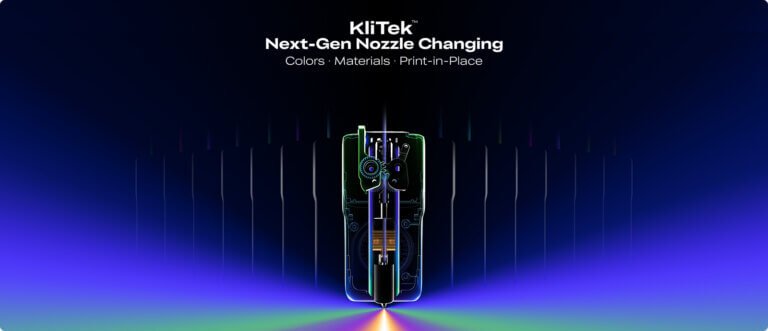
The K3's four-nozzle print head. Creality has not yet published details on how the nozzles are arranged or controlled.
Release Timeline and Open Questions
Creality lists a Q3 release window for the K3. That's a broad target, and with the quarter already in progress, the printer could begin shipping within weeks or slip toward the end of September. Creality hasn't specified an exact launch date. The appearance of a product page typically precedes a formal announcement and the opening of pre-orders, but that timeline varies from product to product.
Pricing is not listed on the page. Regional availability is also unconfirmed. The 3Druck report, published September 7, was among the first to note the product page going live. Creality has not issued a standalone press release as of this writing, and the company's social media channels have not featured the K3 prominently. That quiet rollout is consistent with how Creality has handled previous mid-cycle product reveals — page first, fanfare later.
Where the K3 Sits
The K3 enters a desktop 3D printer market where fast swapping and multi-material printing are no longer niche features. Bambu Lab's AMS system made multi-color printing mainstream on consumer machines. Prusa's MK4S and XL offer quick-change nozzles and multi-material support. Anycubic, Elegoo, and others have pushed prices down across the board.
Creality's pitch with the K3 is the combination of a tool-free, five-second nozzle swap and a four-nozzle configuration. Those two features target two of the most common complaints in FDM printing: the downtime of manual nozzle changes and the material waste of single-nozzle purging. Whether the K3 delivers on that promise depends on details Creality hasn't shared yet — print speed, build volume, firmware, filament compatibility, and long-run reliability. The product page is live. The printer is not.