By 3D Maker Saver · Updated November 12, 2026
A customer asks for one part. You quote $18. Then they ask, “What if I buy 25?”
A discount may make sense. You only prepare the file once, and you might pack everything in one box. But the printer still has to make 25 good parts. If you cut the price in half because the order looks big, you can fill your schedule with work that barely pays.
The useful question is how much the larger order actually saves. Here’s a way to calculate that, with separate allowances for setup, production, handling, and selling costs.
All figures below are illustrative U.S. dollar assumptions. They are not customer quotes, measured printer results, or current marketplace fee rates. Replace them with your own slicer output, time log, and channel costs.
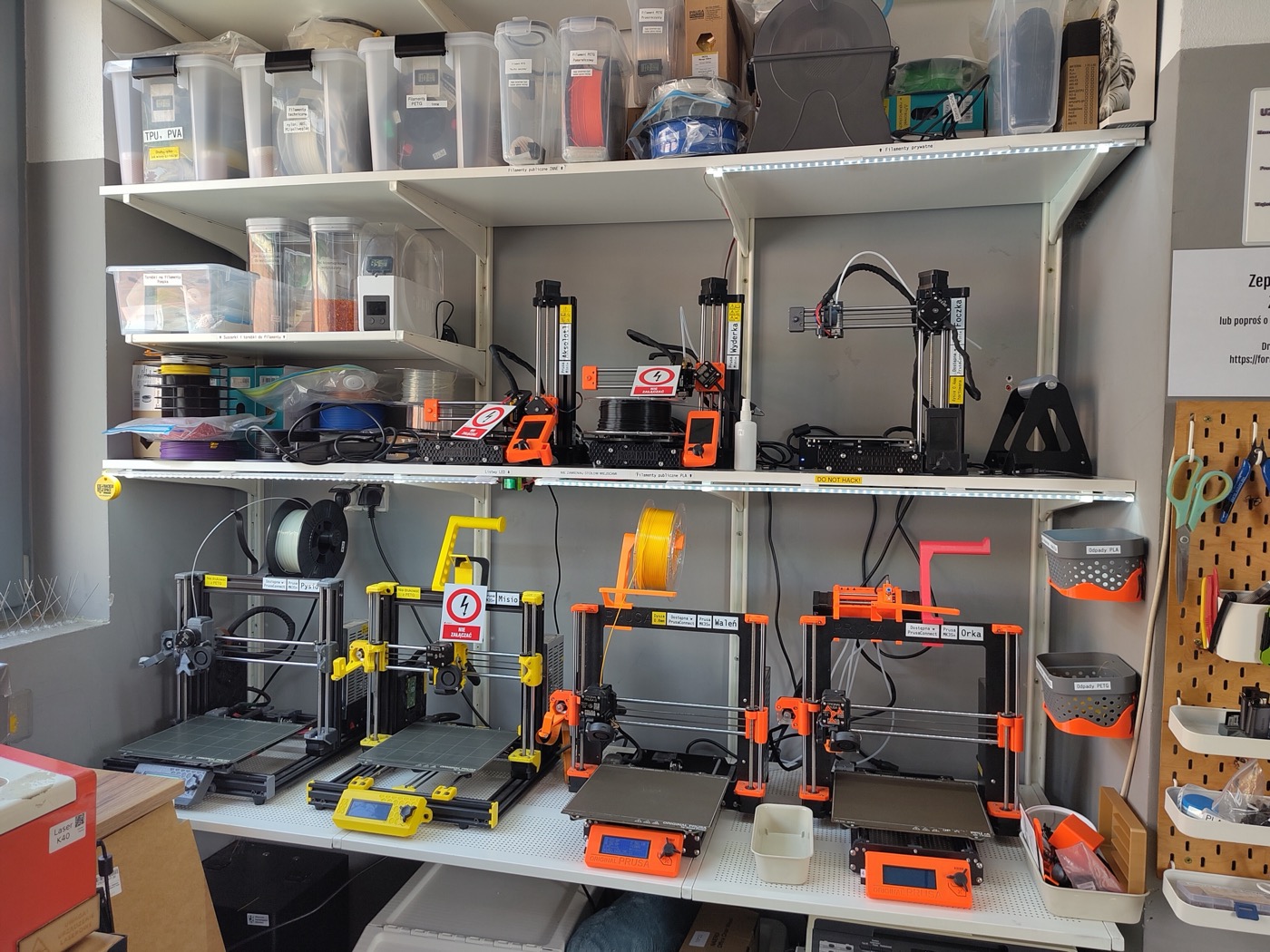
Give setup its own line
Start by splitting the job into three buckets:
- Once per order: file review, slicing, customer approval, and initial setup.
- Per sellable part: material, machine time, power, maintenance, rejects, inspection, and cleanup.
- Per shipment: packing labor, packaging materials, postage, and applicable transaction charges.
Design work belongs on a separate line when a customer needs something drawn or revised. A downloaded file that needs no changes is a different job from “make this fit my drawer.” Agree on the dimensions, number of revisions, and approval process before quoting production.
For a fuller explanation of the cost categories, see How Much Does 3D Printing Really Cost?
A quote for one part versus 10 or 25
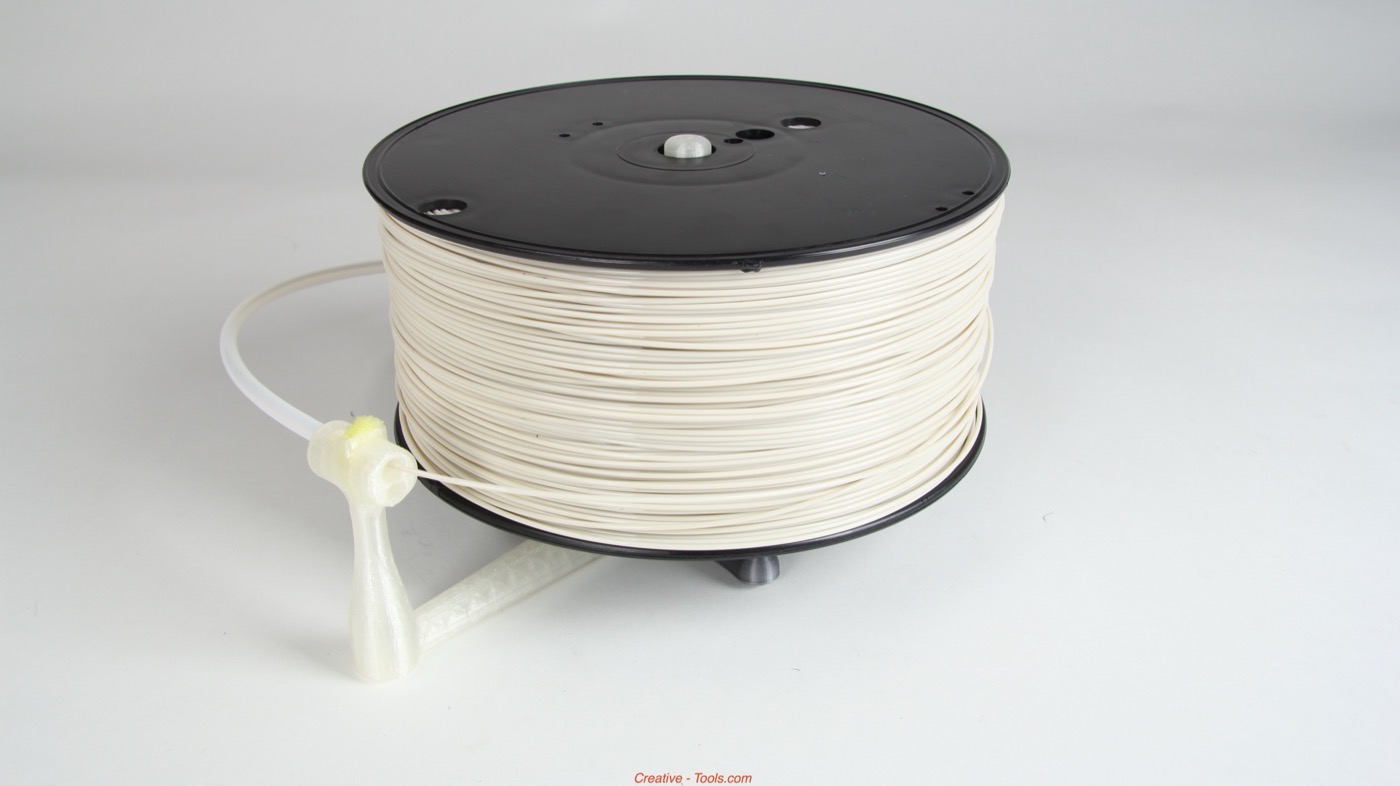
Assume a 60-gram part takes two hours to print. Delivered filament costs $20/kg. Electricity, machine replacement, and maintenance together are budgeted at $0.30 per print hour. Hands-on labor is valued at $20/hour.
Each part uses $1.20 of filament and $0.60 of machine-related costs. At an assumed 5% failure rate, a full-attempt failure model adds $1.80 × 0.05 ÷ 0.95 = about $0.095 per good part. Three minutes of inspection and finishing adds $1.00. That makes the repeatable cost approximately $2.895 per good part.
The reject model assumes failures consume a complete attempt and excludes extra failed-print handling. Log actual losses and add that labor if needed. It is a planning shortcut, not a reason to ignore a messy process.
Now allow 20 minutes of shared setup ($6.67), six minutes to pack one shipment ($2), and $1.50 in packaging materials per order. The example assumes every quantity fits that same packaging allowance, ships together, and the buyer pays postage separately. Confirm those assumptions with a real box and shipping quote.
| Order size | 1 part | 10 parts | 25 parts |
|---|---|---|---|
| Repeatable production cost | $2.89 | $28.95 | $72.37 |
| Shared setup | $6.67 | $6.67 | $6.67 |
| Packing labor + materials | $3.50 | $3.50 | $3.50 |
| Cost before selling fees | $13.06 | $39.11 | $82.54 |
| Quoted order price* | $20.71 | $60.80 | $127.60 |
| Effective unit price | $20.71 | $6.08 | $5.10 |
*Computed from unrounded values and rounded up to cents. Assumes a 10% selling fee, a $0.40 fixed fee per order, and a 25% contribution margin before fixed overhead and taxes. These are example inputs, not a marketplace fee quote.
The steep drop from one to ten parts comes from spreading setup across the order. From ten to 25, the discount is smaller. Material and print time have not disappeared.
Use a margin formula that includes selling fees
For a single percentage fee applied to the quoted product total:
Order price = (order cost before selling fees + fixed selling fee) ÷ (1 − percentage fee − target contribution margin).
For ten parts, that is roughly ($39.11 + $0.40) ÷ (1 − 0.10 − 0.25), using unrounded costs, or $60.80 after rounding up. A 25% contribution margin means about a quarter of revenue remains after the costs included here. It is not a 25% markup, and it is not net profit.
Rent, subscriptions, insurance, return handling, and taxes still need attention. Include an overhead allocation in your order cost if you want the quote to recover it directly. Keep cash expenses and machine allowances visible so you can understand both cash flow and longer-term economics.
If you pay postage, add it before calculating the price. If the buyer pays shipping, check whether your channel charges fees on that amount too. Real fee schedules may include payment processing, advertising, currency conversion, or other charges. Use your actual terms; Etsy’s fee policy is one example to check.
Print a batch before promising a batch discount
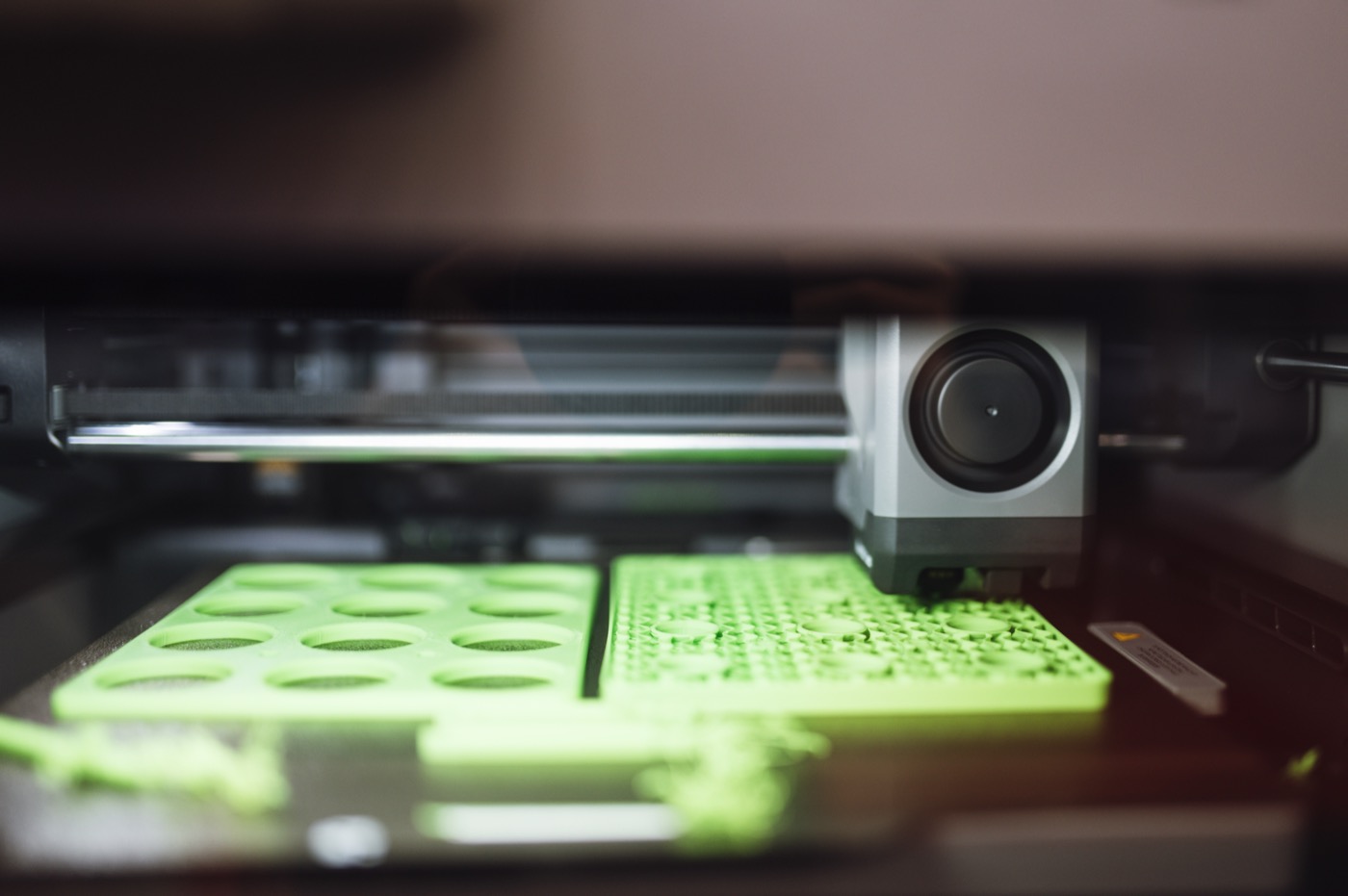
Ten copies on a plate do not necessarily take ten times the single-part print time. Travel moves, cooling limits, placement, and print settings can change the result. Slice the actual plate, then test it.
Record total grams and elapsed time for the plate. Divide by the number of acceptable parts, not the number you intended to print. A large plate that fails near the end can wipe out several hours of savings. For an unfamiliar part, smaller plates may be worth the extra handling until the process is stable.
The table above deliberately gives no speed discount for batching. Add one only after you have evidence. Keep any one-time testing cost visible rather than quietly assuming the first production run will be perfect.
Quote the same specification at every quantity
A bulk price needs a defined product. State the material, color, dimensions or agreed tolerances, finish, quantity, and packaging. If each of 25 parts gets a different name, you have 25 file changes to handle. If the customer wants individual retail bags, the packing allowance changes too.
Make the lead time start after design approval and any agreed payment. Estimate capacity using productive hours you can actually support, leaving room for maintenance and reprints. A 50-hour job does not mean “ready in two days” simply because two days contain 48 hours.
Set a minimum order charge
Small jobs still need messages, file checks, and a shipping label. A minimum charge can cover that work without pretending a tiny part uses a lot of plastic.
Explain it plainly: “The first part includes file preparation and setup. Additional identical parts cost less.” For repeat orders, decide whether the saved file truly removes setup. There may still be a material change, machine check, or customer confirmation to do.
A rush fee should pay for an actual scheduling cost: moving other work, extra handling, or reserved capacity. Don’t promise a rush slot you cannot fulfill.
Send a quote the customer can approve
A useful quote states the product specification, quantity, total price, any separate design fee, shipping treatment, lead time, approval requirements, and quote expiration. Include how changes after approval are priced. Customers should be able to tell what they are buying without decoding your internal spreadsheet.
Before sending it, ask: does this pay for my time, does the batch fit my schedule, and have I priced the actual packing arrangement? Then run it through the print price calculator, checking which costs the tool already includes.
After delivery, compare the quote with actual grams, hours, rejects, and labor. The next batch price should come from that record. A discount you can explain with measured savings is easier to maintain than one you picked to win the order.