3D 3D Maker Saver

PLA Filament Family: A Practical Buying Guide

PLA is the easiest place to start, but the PLA family has grown. Here's how standard PLA, PLA+, PLA Matte and PLA-CF differ, what each is best for, and which brands to trust.

PLA (polylactic acid) remains the most popular 3D printing filament. It prints at low temperatures, doesn't need a heated bed, and comes in more colors than almost any other material. For makers buying from Chinese marketplaces, it's also the cheapest way to start.

But walk down the PLA aisle today and you'll see PLA+, PLA Matte, PLA-CF and more. The names are similar; the results are not. This guide breaks down the four most common variants, when to choose each, and reputable brands you can actually find on Taobao, Pinduoduo and AliExpress.
In this guide

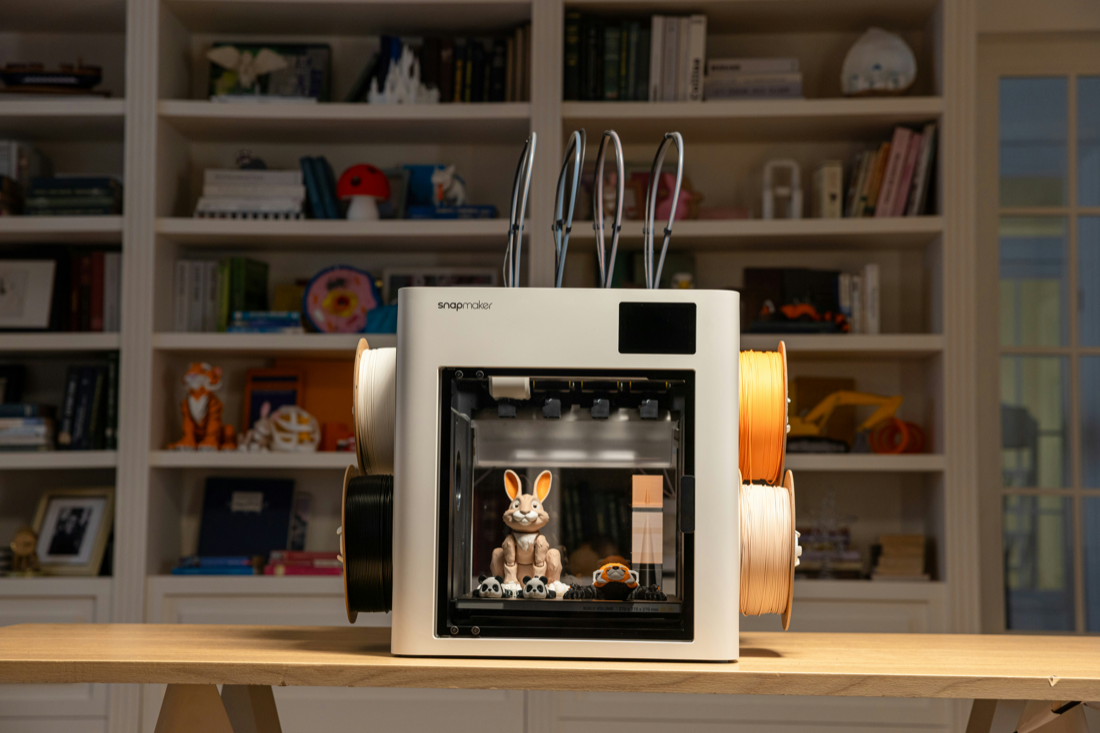
Low temp · easy to print · great for prototypes and models

Standard PLA — the beginner's default

  • Very easy to print: works at 190–210 °C with no heated bed required on most printers.
  • Huge color range and low cost per kilogram, ideal for learning and iterating.
  • Minimal warping and odor compared to ABS or PETG; safe for home and classroom use.

Best for decorative models, prototypes, figurines, low-strength housings, and any part that won't be exposed to heat above 50 °C or repeated mechanical stress.
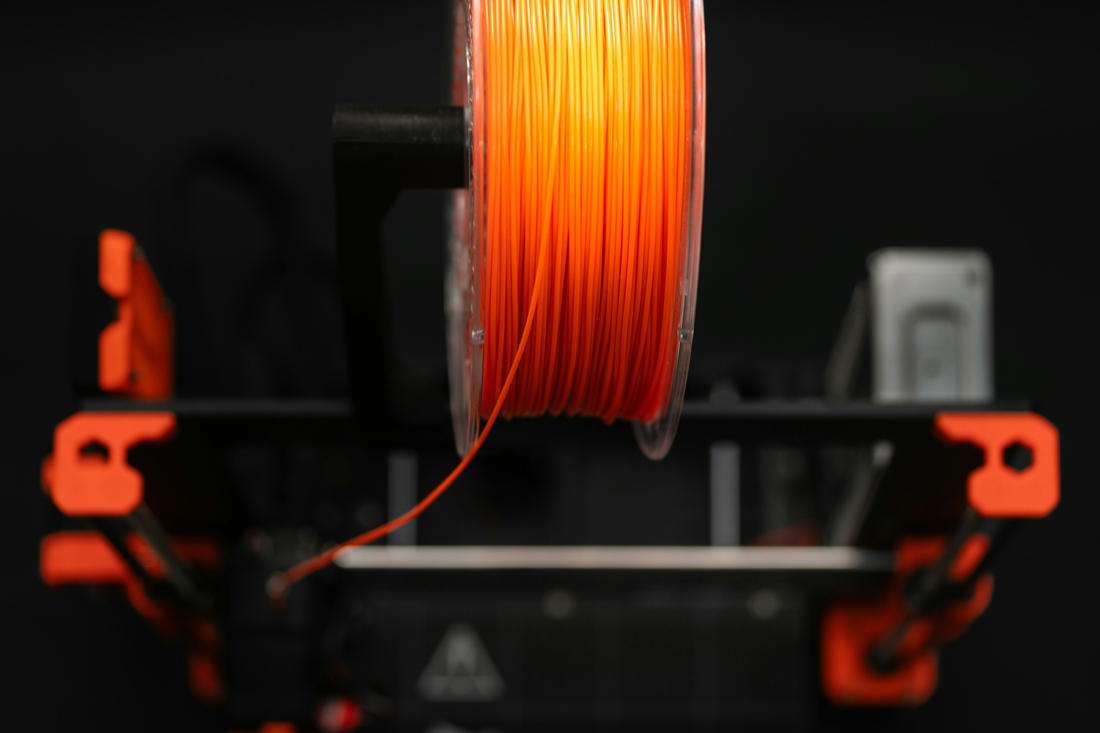
eSUN, SUNLU, Bambu Lab PLA Basic, Polymaker PolyLite, Overture
Impact resistant · less brittle · still easy to print

PLA+ — stronger, tougher PLA

  • Tougher than standard PLA: better layer adhesion and impact resistance make it less likely to snap.
  • Slightly higher print temperature (205–225 °C), but still forgiving and beginner-friendly.
  • Good middle ground when you need functional parts without switching to PETG or ABS.

Great for brackets, clips, tool handles, drone parts, toys, and anything that might get dropped or flexed occasionally.
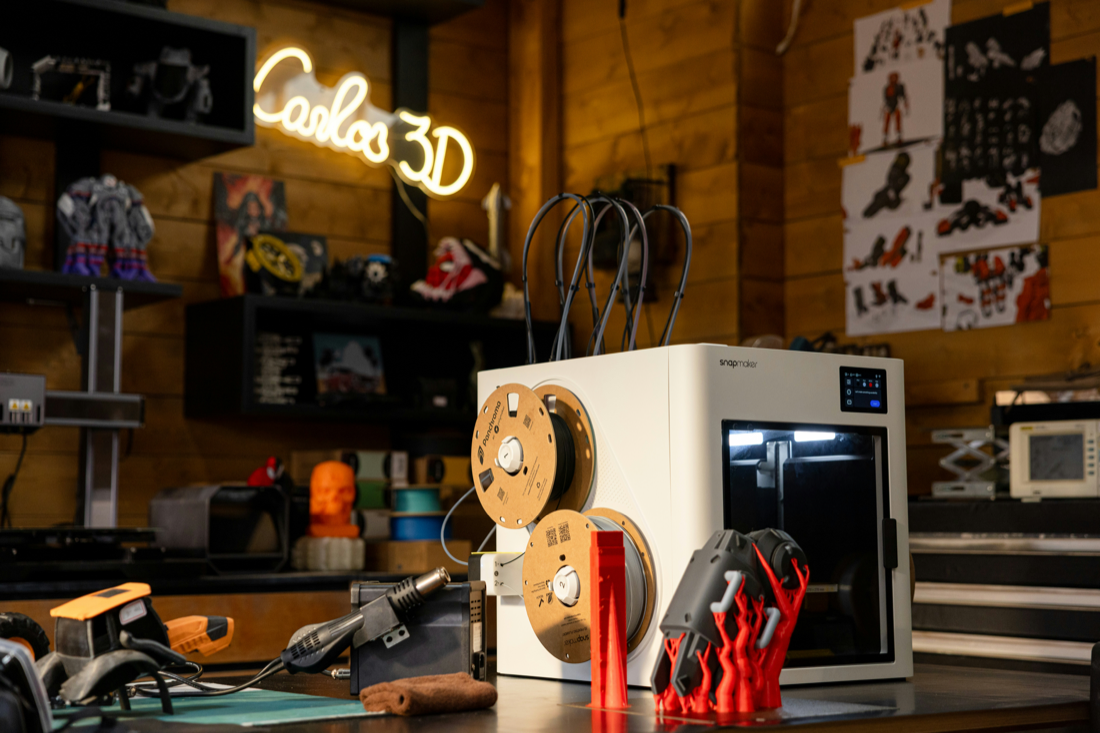
eSUN PLA+, SUNLU PLA+, Overture PLA+, Polymaker PolyLite PLA
No glossy shine · hides layer lines · photo-ready prints

PLA Matte — premium look, minimal post-processing

  • Matte finish hides most layer lines and fingerprints; parts look almost injection-molded.
  • Colors appear richer and more muted under light — excellent for display and product photography.
  • Usually prints like standard PLA, so you don't trade much ease for the nicer surface.

Perfect for vases, architectural models, product prototypes, cosplay props, and any print where appearance matters more than raw strength.
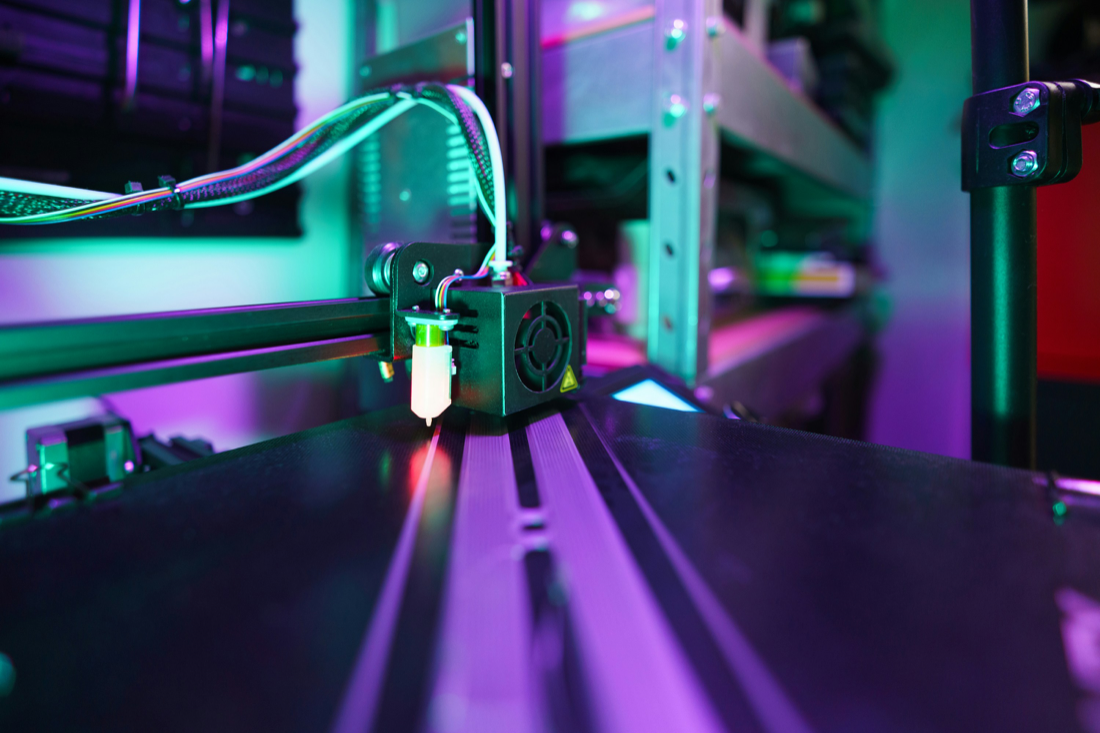
SUNLU Matte PLA, eSUN Matte PLA, Bambu Lab Matte PLA, Polymaker PolyTerra
Carbon fiber filled · stiff · lightweight · abrasive

PLA-CF — stiffness with carbon fiber looks

  • Carbon fiber particles make prints noticeably stiffer and lighter than plain PLA.
  • Hides layer lines and gives a textured, dark "forged carbon" appearance.
  • Good for rigid frames, drone parts and fixtures where deflection matters.

Best for structural frames, RC/drone parts, jigs, and mechanical housings that need stiffness. Not for parts under repeated bending. You will need a hardened steel or ruby nozzle because carbon fiber is abrasive.

eSUN PLA-CF, SUNLU Carbon Fiber PLA, Polymaker PolyLite PLA-CF, Bambu Lab PLA-CF

Which one should you buy?

If you're unsure, start with the recommendation below for your main use case.

PLA Just starting or printing decorative models: standard PLA is the cheapest and easiest way to learn.
PLA+ Need functional parts that take knocks: PLA+ adds toughness without adding much complexity.
PLA Matte Care about surface finish and photos: PLA Matte gives a premium look straight off the printer.
PLA-CF Building rigid mechanical parts: PLA-CF delivers stiffness and a unique textured finish, but requires a hardened nozzle.

Start simple, then branch out

You don't need every variant on day one. Buy one or two spools of standard PLA to learn your printer, then add PLA+ or Matte when you have a project that needs strength or looks. PLA-CF is the specialist — buy it when you know your machine and have a hardened nozzle ready.
Browse live prices and links →